In an age where dazzling technology transforms industries at an unprecedented rate, the headlines pointing to artificial intelligence as the silent usurper of human jobs are becoming commonplace. From facilitating remote education to guiding military operations, AI’s prowess cannot be understated. Yet, beneath the shiny veneer of innovation lies a growing trepidation among the workforce—particularly in the tech sector—of being overshadowed by their digital counterparts.
Recent discussions have intensified around AI’s impact on employment, with bold predictions suggesting that a significant percentage of entry-level positions may soon be automated. Dario Amodei, CEO of AI firm Anthropic, suggests that half of these roles could vanish into the silicon ether. While such claims might serve marketing interests, they echo concerns rooted in the tangible shifts noticeable in today’s job market.
Brian Merchant, a seasoned technology journalist, recently delved into these fears, seeking insights directly from those on the front lines—tech workers themselves. Through anonymous contributions to his Substack, “Blood in the Machine,” individuals shared unsettling narratives of how their daily roles are being upended by AI advancements. This collective voice paints a vivid picture of the pressures mounting within tech offices worldwide.
Workers describe a landscape where automation processes and AI systems increasingly handle tasks that were once their bread and butter. The efficiency of these systems is undeniable—often bringing about gains in productivity and accuracy unavailable through human effort alone. Yet, this begs the question: does increased efficiency justify the displacement of a skilled workforce?
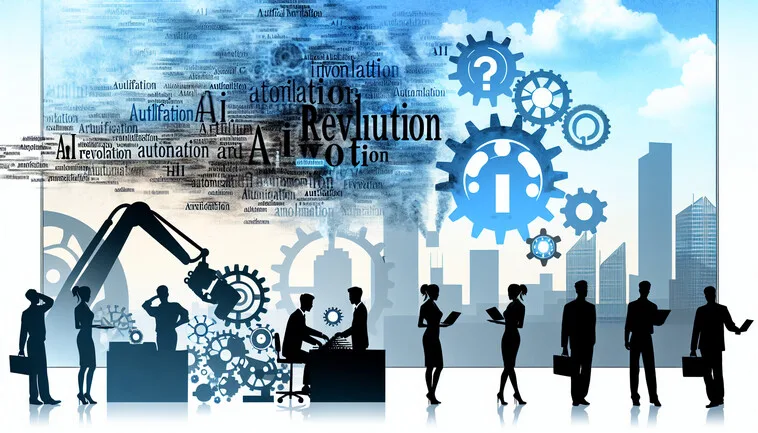
This wave of AI-driven change certainly isn’t the first technological revolution to reshape work environments. Historically, humans have adapted, shifting from manual labor to machine operation when industrial innovations previously disrupted the status quo. What makes this transition unique is the broad scope and speed at which automation now unfolds, threatening not just manual jobs, but roles demanding cognitive skills as well.
As AI continues to evolve, companies and policymakers are confronted with strategic challenges. Building support systems for workers, promoting upskilling and reskilling initiatives, and crafting new educational frameworks become imperative. The potential for AI to complement rather than cannibalize human effort should be an integral part of discussions around its implementation in workplaces.
The AI-driven reshaping of job markets need not spark fear if addressed proactively. Embracing this shift as an opportunity for growth could pave the way for an innovative future where human creativity works hand-in-hand with artificial intelligence. It’s a delicate balancing act—exploring AI’s potential while safeguarding the human element that drives our economies, cultures, and societies forward.